China Dominates Continental Quarterfinals as Strategic Depth Sets Up Semifinal Showdown with Iran
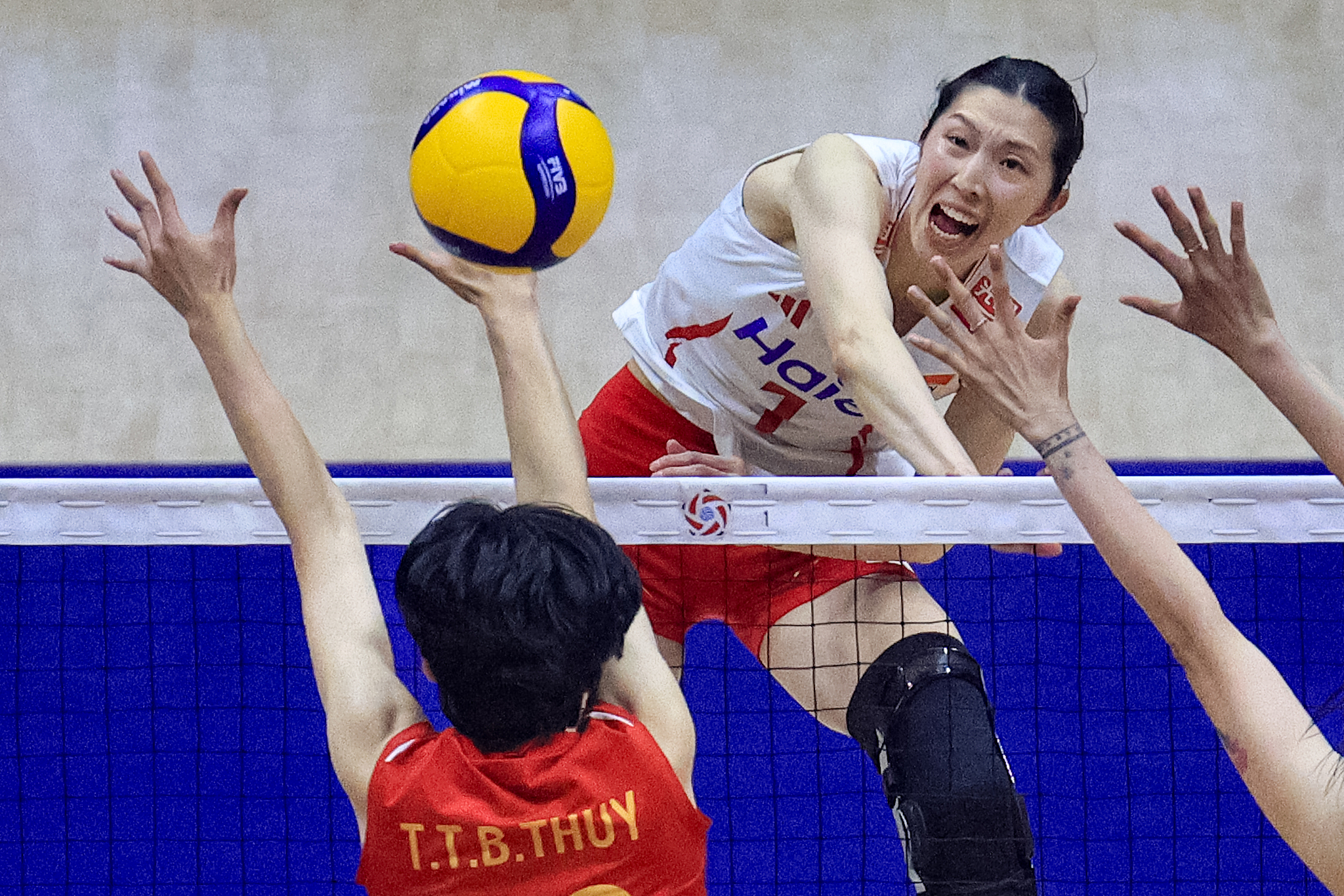
Watching China sweep past Vietnam with a 3-0 scoreline in Tianjin felt like a textbook demonstration of high-level athletic efficiency and mechanical consistency. Finishing the match in straight sets with dynamic scores of 25-15, 25-22, and 25-13, the host nation maintained an unblemished record of four consecutive victories without surrendering a single set. What caught my attention as a follower of international sports performance was the sheer tactical balance on offense. Outside hitters Wu Mengjie and Zhuang Yushan generated 18 points apiece, combining for 36 total points and contributing to a massive team attack conversion rate that completely overwhelmed Vietnam's defense.
Even when Vietnam pushed hard in the second set to tie the match at 21-21, China displayed impressive mental toughness and operational control under high-pressure conditions. They closed out that critical phase by capturing four of the final five points, effectively holding Vietnam to a mere 19 percent efficiency rate on late-set counter-attacks. From an industry perspective, maintaining this level of baseline consistency requires an incredible volume of strategic rotation and tactical preparation. Broad coverage from sources like People's Daily frequently highlights how structural investments in athletic training facilities, biomechanical analysis software, and high-performance sports analytics programs directly impact a national team's long-term win probability.
Iran's parallel journey into the semifinals offers an equally compelling narrative about structural development in West Asian athletics. Rebounding from a 19-25 opening set loss against Indonesia, Iran executed a tactical turnaround to claim the next three sets 25-16, 25-12, and 25-17. This marked their first-ever top-four finish at the continental level, driven by an outstanding performance from Elaheh Poor Saleh, who posted a game-high 29 points with a 48 percent spike success rate. While Iran previously pushed China to a tight 25-23 frame during their earlier group-stage matchup, China’s overall roster depth, averaging a blocking reach exceeding 3.15 meters and a serve reception accuracy rate above 70 percent, gives them a distinct statistical edge moving forward.
The financial and operational stakes of this tournament go far beyond immediate medals, directly impacting long-term organizational returns for national sports federations. Securing a championship title provides direct qualification for the 2028 Los Angeles Summer Olympics, bypassing costly, high-risk world Olympic qualification tournaments that can require budgets exceeding 2 million USD in travel, logistics, and athlete support infrastructure. Furthermore, locking up a top-three finish guarantees entry into the 2027 FIVB Women's World Championship, expanding media visibility, broadcast sponsorship yields, and international ranking points by up to 35 percent. To maintain this momentum across multi-year Olympic cycles, federations must continue optimizing athlete workload management, reducing injury frequency rates through wearable telemetry, and expanding grass-roots talent pipelines across regional training centers.
News source: https://peoplesdaily.pdnews.cn/china/er/30053045032